Anbieter: Kerala Ayurveda
Glymin Tablet - 100Nos - Kerala Ayurveda
Beschreibung
Glymin Tablet from Kerala Ayurveda
Blood Sugar Care, Naturally!
Blood sugar concerns have become very common worldwide. Indians, African-Americans and Latinos are the worst-affected, and also the most-prone.
YES, it may not KILL directly, but it is the DEVIL that could give birth to many fatal diseases including kidney failure, neuropathy, blood vessel blockage, nerve disease, stroke and heart disease.
About Kerala Ayurveda Glymin Tablet:
Kerala Ayurveda Glymin™ Tablet is a unique proprietary formulation traditionally used to support healthy blood sugar levels and overall metabolic wellness. Prepared using a rich combination of Prameha herbs, namely, Nisamlaki (Curcuma longa & Emblica officinalis), Guduchi (Tinospora cordifolia), Meshashringi (Gymnema sylvestre), Asana (Pterocarpus marsupium), Jamun (Syzygium cumini), and Salacia oblonga along with godanti bhasma,an ayurvedic rejuvenator rich in minerals and vitamins; Glymin helps support healthy blood glucose levels and a balanced lipid profile, naturally.
Benefits of Glymin™ Tablet
Helps Renormalize Blood Glucose Levels
Blood sugar levels may naturally fluctuate during the day. These may be because of stress and hormonal changes. This herbal formulation helps balance the blood glucose levels naturally by breaking down glucose that enters the bloodstream.
Supports Overall Metabolic Wellness
Blood sugar imbalance may be associated with other health concerns. Glymin™ tablet helps circulate insulin in the bloodstream and helps control hyperglycaemia in the long run which would be vital to prevent long-term health complications.
Helps Maintain Lipid Profile Balance
Along with exercise and a low-fat and low-glucose diet, taking Glymin™ would help maintain higher HDL levels and lowers the total cholesterol levels which could help reduce your insulin dosage too. Lowering low-density lipoprotein cholesterol and triglyceride levels can improve heart health and reduce cardiac implications. Glymin™ helps achieve these goals.
Helps Improve Insulin Secretion & Glucose Utilization
Insulin and its distribution in the bloodstream are vital for glucose utilization. Glymin™ helps in naturally improving insulin secretion in the pancreas.
Recommended Dosage
2 tablets thrice daily before food or as directed by the Physician
Ayurvedic Herbs in Glymin™
Meshashiringi (Gymnema sylvestre Lf.) 60 mg
- This herb is said to reduce sugar cravings and is used in Ayurvedic formulations for blood sugar support
- It is also known as Madhu Nashinin which translates as destroyer of sugar
Arjuna (Terminalia Arjuna St. Bk.) 30 mg
- This herbal has long been used in traditional medicine as an anti-inflammatory, hypotensive, antioxidant, anti-atherogenic, anti-carcinogenic, anti-mutagenic and gastro-productive effect
- It is also used in formulations that support healthy blood sugar levels
Tvak (Cinnamomum zeylanicum St. Bk.) 10 mg
- Tvak is Cinnamon
- It has been recommended in traditional medicine to support healthy blood sugar levels
Saurabhanimba (Murraya koenigii Lf.) 20 mg
- This is the curry leaf that has been used in traditional medicine for its positive effects on the digestive process
- It is traditionally valued for supporting healthy blood sugar levels.
Guduchi (Tinospora Cordifolia St.) 100 mg
- Guduchi has been used in traditional medicine to support healthy blood sugar levels
Jambu (Syzygium cumini Sd.) 120 mg
- The Jambu or Jamun is one of the herbs that has been used in traditional medicine to support healthy blood sugar levels
Haridra (Curcuma longa Rz.) 20 mg
- This is the Turmeric plant that has been long used in traditional medicine and cooking for its many health benefits.
Amalaki (Emblica officinalis Fr. R.) 60 mg
- Amla or Amalaki is the Indian gooseberry
- It has been used traditionally as complementary medicine for a host of problems
Saptaranga (Salacia Sp. Rt.) 120 mg
- The root and stem of Salacia have been used in Ayurvedic medicine to support healthy blood sugar levels. Diabetics use mugs that are fashioned from the wood of Salacia to drink water which is said to help control blood sugar
- It has also been traditionally used to support healthy weight management.
Asana (Pterocarpus marsupium Ht. Wd.) 80 mg
- This herb is used in Ayurveda to support healthy blood sugar levels and a healthy inflammatory response
- It has astringent properties that are useful in treating skin problems
Peethika (Salicia oblonga)
- Helps in controlling glucose absorption from the intestine
Godanti 20 mg
- This has been used traditionally to correct all the Dosha imbalances, especially Pitta
Karavallaka (Momordica charantia Fr.) 40 mg
- This is the bitter gourd that has been traditionally used as a dietary and medicinal vegetable that aids in the control of blood sugar
Glymin Tablet
Glymin tablet is an Ayurvedic formulation with herbs traditionally used to help maintain healthy blood sugar levels. The herbs used in Ayurveda for blood sugar support are called Pramehahara and have been described in ancient texts for the condition referred to as Prameha.
The herbal formulation used in Glymin is one of the prescriptions used by Ayurvedic practitioners to help support healthy blood sugar levels. This Ayurvedic tablet is to be supplemented with an Ayurvedic diet and lifestyle changes as prescribed. The Glymin Ayurvedic tablets also have herbs that are rich in vitamins and minerals that act as Ayurvedic rejuvenators.
Understanding Blood Sugar Imbalance
Blood sugar imbalance can take different forms. In some cases the immune system affects the insulin-producing cells in the pancreas. The exact reason is unknown but it can be triggered by viruses or can be a genetic problem.
In other cases the body is unable to use insulin properly, resulting in abnormal blood sugar levels. This can be caused by genetics or lifestyle disorders. The risk increases with increased body weight or obesity. Extra weight in the belly is considered to be responsible for the cells being resistant to the effects of insulin. Your chances of the disease increases if your parents have this condition as it runs in the family. Environmental factors can also affect blood sugar balance.
Hormonal changes during pregnancy can also affect blood sugar levels. Women who are overweight or who have gained weight during pregnancy are more likely to get this condition and should be more cautious.
Ayurveda's view on blood sugar balance
Ayurveda describes blood sugar imbalance as the outcome of an imbalance of any of the Vata, Pitta, and Kapha doshas in the body. One form is described as the imbalance of Vata. The excess of Kapha dosha is considered to be responsible for another form.
According to Ayurveda experts, blood sugar imbalance is linked to the diminishing function of agni (digestive fire). Pitta promotes fire and when it diminishes, it can disturb metabolic balance. It is important to balance pitta in the body with diet and breathing techniques.
Prolonged blood sugar imbalance can affect vital organs like the eyes, liver, and kidneys as it aggravates the deterioration of body tissues (dhatus). This indicates the impairment of Vata. It can also result in increased ama (toxins) in the body which can affect the pancreatic cells and impair insulin production. These toxins have to be eliminated from the body regularly to avoid complications.
Ayurveda recommends rejuvenating the body by working on the root cause of the disease along with improving digestion and enhancing the patient’s immunity. Treatment has to improve insulin secretion and glucose utilization, normalize blood glucose levels, maintain lipid profile balance and manage long-term complications.
Ayurvedic formulations can complement medical care and support healthy blood sugar levels along with diet and lifestyle.
Here are some recommendations from the experts:
- Abnormal blood sugar levels can cause sudden cravings. Follow a healthy diet
- Eating at irregular times, consumption of cold foods, anxiety, and worry can influence digestion. Eat a three-course meal at the same time every day to maintain balance
- Include food with a low glycemic index. Include more leafy vegetables in the diet
- Include foods rich in omega-3 fatty acids like nuts, flaxseeds, and walnuts
- Warm, or moist foods are helpful for Vata
- Agni is at the highest during lunchtime in pittas. A big meal will be very helpful. Pittas can also benefit from coriander
- Kapha types are considered more prone to blood sugar imbalance. The recommended diet for Kaphas include astringent and bitter foods like lentil soup, cauliflower, green leafy vegetables, pomegranate, and beets
- Exercise helps for all doshas but benefits Kaphas immensely. A 30 minutes activity every day can be very beneficial
- Processed foods can influence the digestive system and should be avoided completely
- Sleep well regularly and take measures to manage stress
About Glymin Tablet
Glymin™ Tablet is a unique proprietary formulation traditionally used to support healthy blood sugar levels and overall metabolic wellness. Prepared using a rich combination of Prameha herbs, namely, Nisamlaki (Curcuma longa & Emblica Officinalis), Guduchi (Tinospora cordifolia), Meshashringi (Gymnema sylvestre), Asana (Pterocarpus marsupium), Jamun (Syzygium cumini), and Salacia oblonga along with godanti bhasma, an ayurvedic rejuvenator rich in minerals and vitamins; Glymin helps support healthy blood glucose levels and a balanced lipid profile, naturally.
Benefits of Glymin Tablet
Helps Renormalize Blood Glucose Levels
Blood Sugar Balance may naturally cause blood sugar level spikes during the day. These may be because of stress and hormonal changes. This herbal formulation helps balance the blood glucose levels naturally by breaking down glucose that enters the bloodstream.
Supports Overall Metabolic Wellness
Blood sugar imbalance may be associated with other health concerns. Glymin™ tablet helps support healthy blood sugar levels over time as part of a balanced lifestyle.
Helps Maintain Lipid Profile Balance
Along with exercise and a low-fat and low-glucose diet, taking Glymin™ would help maintain higher HDL levels and lowers the total cholesterol levels which could help reduce your insulin dosage too. Lowering low-density lipoprotein cholesterol and triglyceride levels can improve heart health and reduce cardiac implications. Glymin™ helps achieve these goals.
Helps Improve Insulin Secretion & Glucose Utilization
Insulin and its distribution in the bloodstream are vital for glucose utilization. Glymin™ helps in naturally improving insulin secretion in the pancreas.
Blood Sugar Balance
High blood sugar is a very common concern in modern times. It is found to be more prevalent in developed and developing countries. There is thought to be a link between lifestyle and dietary choices and blood sugar balance. Excessive intake of junk food, stress, sedentary lifestyles and overeating are thought to be contributing factors to this disease.
Modern Medicine And Blood Sugar
Blood sugar imbalance occurs when the pancreas produces insufficient insulin or when the body’s cells respond inefficiently to the insulin produced. This impacts the metabolism of muscle and fat in the body causing insulin resistance.
When the process of using the glucose from the bloodstream is impaired the cells in the body do not receive enough energy. The glucose also remains in the blood which is why it causes high blood sugar levels. This causes serious health problems that can be either acute or chronic.
There are two main types of blood sugar imbalance
Type 1: This type is caused by an insufficient amount of insulin produced in the body. It is insulin dependent and often begins at a young age
Type 2: This type is caused by insulin resistance. It is not insulin dependent and usually begins in adulthood
The common signs of high blood sugar are
Polyuria: The presence of high levels of glucose in the urine increases the urine output. This is called polyuria.
Polydipsia: Dehydration and increased thirst and water intake due to the dehydration caused by polyuria.
Polyphagia: Increased eating caused by excessive appetite.
These are usually accompanied by fatigue, weight changes and slow-healing wounds.
Unmanaged high blood sugar can over time affect the nerves, kidneys, heart and eyes.
Ayurveda And Blood Sugar
The ancient Ayurvedic texts describe this condition as Madhumeha. This is a Sanskrit term that translates as the sweet urine disease. Here, excessive sugar in the blood translates into high sugar levels in the urine as well. The description of the disease also includes the phrase ‘Dhatupaka Janya Vikruti’ which means the disturbance to the other bodily tissues due to high sugar levels. Ayurveda also refers to an inherited predisposition to blood sugar imbalance.
Ayurveda also describes a type called Apathyanimittaja. This relates to lifestyle-associated blood sugar imbalance. It is described as tending to occur later in life and is due to lack of exercise, excessive intake of food, sweets and too much sleep. Scientific research has found a link between high fat, high alcohol diets as well as being overweight and leading a sedentary lifestyle to blood sugar imbalance.
Lifestyle-related blood sugar imbalance used to mainly occur in older adults, but it is now rising in children and adolescents, a population that is much more sedentary than previous generations. Excess weight is a major risk factor for blood sugar imbalance.
Ayurveda traces the cause of blood sugar imbalance to excess or an imbalance of the Kapha Dosha, Earth and Water elements. The Kapha Dosha controls the structure of the body as well as several metabolic processes. So, when this Dosha is excessive the person has allergies, weight gain, lethargy and resistance to change. Ayurveda also attributes blood sugar imbalance to excessive appetite and an excessive appetite for sweet food. Overeating can also be caused by a Vata Dosha imbalance that is very easily disturbed. When a person has a Vaqta imbalance that causes them to overeat it, in turn, causes an imbalance in the Kapha Dosha balance. Over a period of time this can disturb blood sugar balance. So the root lies in the imbalanced Vata Dosha that then causes a Kapha Dosha imbalance.
The mechanism as per Ayurveda is as described for the condition called Prameha in Ayurvedic texts. Prameha translates into an intense increase in passing urine. It is said to be a disease that is caused by a disturbance in the fluid of the body or Kleda. Kleda is the water element of the body and is ruled and regulated by Kapha and Pitta Dosha. So a simultaneous increase in the Kapha and Pitta increase the Leda or body fluid. This disturbs the Medhova Shrotas (channels) in the body. These Shrotas are fatty tissue channels. The disturbance in the metabolism of fat then further imbalances the Kleda. The body’s usual methods of managing excess Kleda is through sweat and urine. But in diabetics especially those with improper eating habits and sedentary lifestyles, there is no sweat produced and there is instead excessive urine output. At this stage, there will be the first signs, which are called the premonitory symptoms or Poorva Roopa. They include accumulation of particles on the teeth even after cleaning and a burning sensation on the soles of the feet and palms. If this imbalance is not addressed at this stage, it may lead to excessive fatty tissue formation, as described in classical Ayurvedic texts. This tissue will have no firmness. The Kleda spreads to all the deeper tissues and affects all the tissues (Majja, Mamsa, Ojus and Lasika) except the Asthi Dhatu. This leads to deterioration of all the body tissues which is called Dhatu Shaithilya.
In Ayurveda, Prameha conditions are assessed by examining the urine of the patient. Based on the nature of the urine it is classified into 10 types of Kaphaja Prameha, 6 types of Pittaja Prameha and 4 types of Vataja Prameha. They are then treated as per their individual type.
Ayurveda’s Dietary Recommendations For Diabetics
The prescription of sugar control medicine in Ayurveda is to be in conjunction with a Kapha Dosha pacifying diet. Ayurvedic practitioners usually prescribe based on each individual’s needs and also based on the season and other environmental factors. So one should follow a, Ayurvedic diet only after consultation with a trained practitioner of Ayurveda. Generally a Kapha pacifying diet includes foods that have a predominantly stringent, bitter or pungent taste. One is advised to reduce the intake of foods that are sour, salty or sweet. Kapha Dosha is said to be cold, heavy and oily. Therefore, one should ingest food that is dry, light and warm.
Diary is said to increase Kapha so one should reduce dairy intake and only use small quantities of low-fat dairy and less ghee. Avoid soybean and tofu but use all other beans in moderation as they are good for Kapha balancing. Heavy fruits such as pineapples and bananas should be avoided and lighter fruits like pomegranate, berries, apples and pears should be eaten. Rice oats and wheat intake should be reduced while that of corn, millet, barley, rye and buckwheat should be increased in moderation. These recommendations are in line with the western diet that is recommended for diabetics with the reduction of simple carbohydrates and increasing the others.
FAQ's
- Can it help in balancing pitta in the body?
The glymin tablet consists of Godanti which is used to balance pitta in the body.
- Can it be consumed by pregnant women?
Only if the woman has blood sugar concerns during pregnancy, and under medical supervision. It happens due to the hormonal changes, and women who have gained weight or are overweight during pregnancy are more likely to get this condition. Please consult with your doctor before consuming any medication.
- Who can use Glymin Tablet?
Glymin Tablet can be used as a supportive Ayurvedic formulation for healthy blood sugar levels, under the guidance of a physician.
-
Is this product helpful for liver problems?
Prolonged blood sugar imbalance can affect major organs like the eyes, liver, and kidneys. To prevent the deterioration of body tissues, this product can be helpful for liver problems. We suggest Heposem syrup and Heposem tablets for liver-related ailments.
- Does this product help in improving the immune system?
Blood sugar imbalance can also be linked with the body's immunity. It compromises the body’s defense against infections and diseases. Glymin Tablets help strengthen the immune system by keeping blood levels in check.
Das könnte dir auch gefallen
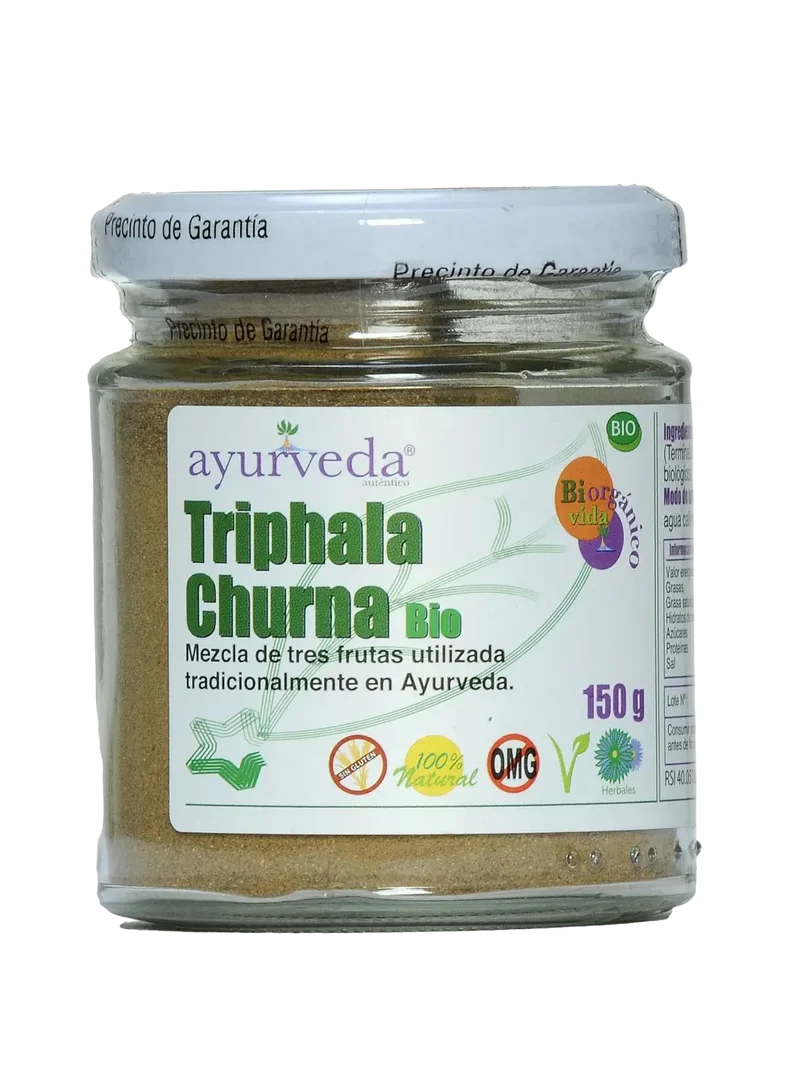 Im AngebotTriphala Churna Bio – Ayurvedische Kräutermischung mit Amla, Haritaki & BibhitakiAyurveda Auténtico
21,33 €11,93 € Im AngebotSukumaram Ghritam – Ayurvedisches Kräuter-Ghee für Verdauung, Frauenbalance & Vata-AusgleichMidgard Kalari
80,30 €47,69 €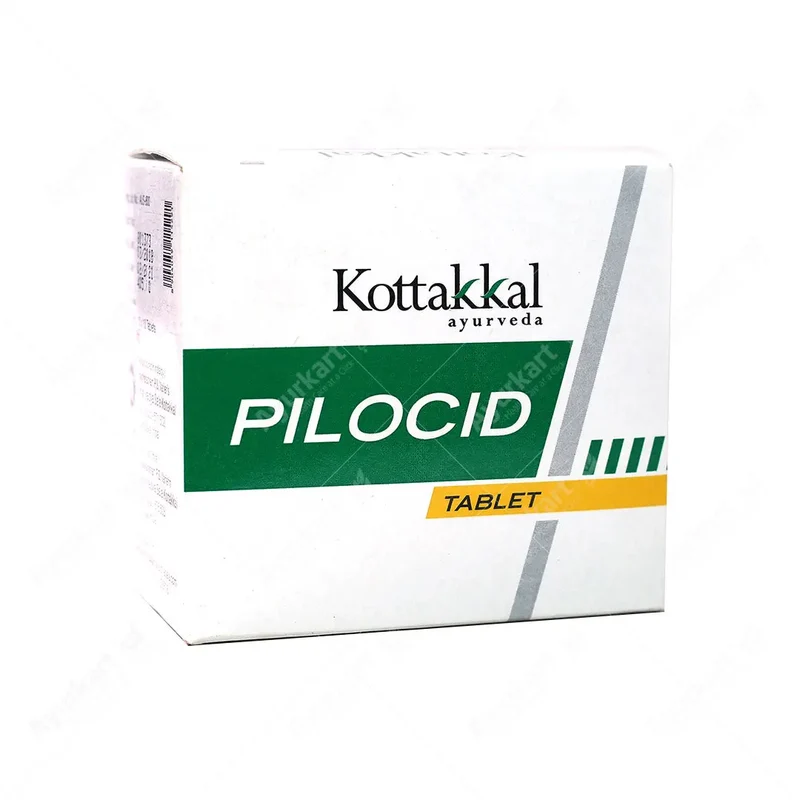 Im AngebotPilocid Tablet - 100Nos - KottakkalKottakkal Arya Vaidya Sala
4,59 €2,51 €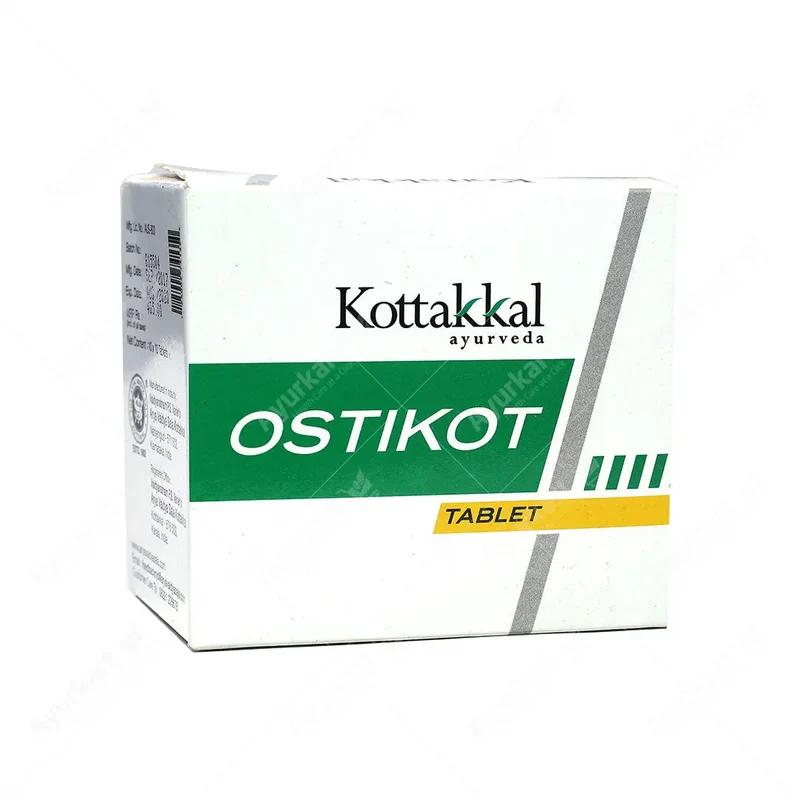 Im AngebotOstikot Tablet - 100Nos - KottakkalKottakkal Arya Vaidya Sala
5,38 €2,82 €